
Before meeting with a contractor like New York Kitchen and Bath to discuss your renovation, please consider having a budget in mind. This crucial information can be utilized by the contractor while guiding you through maximizing your budget. With home renovations, there are often hidden issues that will increase the cost of your renovation. As a contractor with over 25 years of experience and many successful renovations, there are hidden issues I cannot anticipate. Let’s discuss some of the most common issues:
STRUCTURAL:
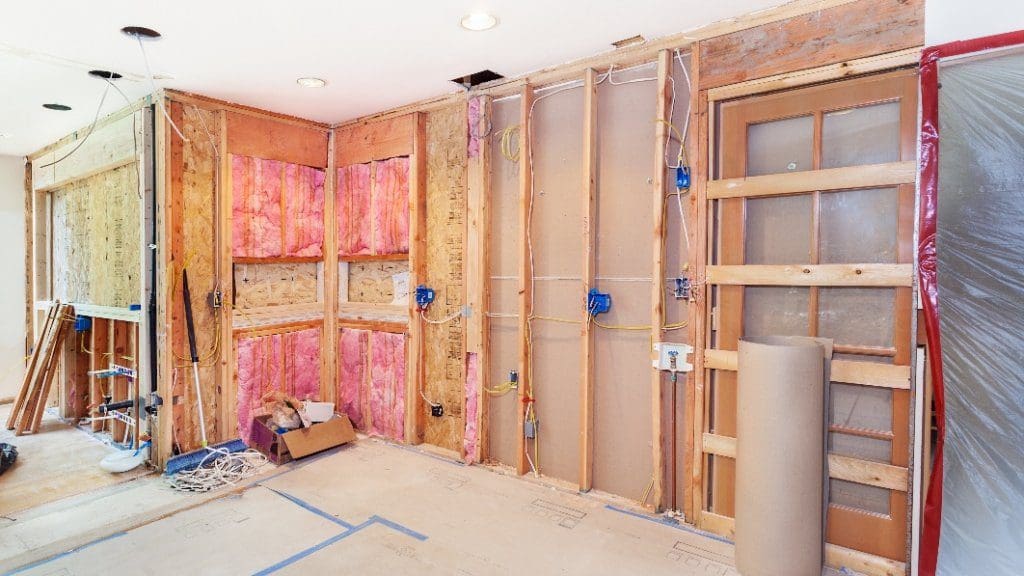
In NYC, with many Landmarks and older structured buildings, it is difficult to anticipate internal structural issues until the completion of the demolition stage. My team has faced various hidden issues, such as rotting interiors, pipe erosions, and lead plumbing, to name a few. While it may delay your renovation or alter the cost of your project, you should keep in mind that should problems arise, the NYKB team can and will handle all aspects of construction. Likewise, it is highly recommended that you hire a highly capable team otherwise you risk further delays with your home renovation.
PLUMBING & ELECTRICAL: Sometimes it is impossible to see upfront plumbing and electrical issues before the start of your project. With older buildings plumbing and electrical work must be brought up to NYC code. There have also been situations with previous shareholders having plumbing or electrical work done with unlicensed workers who do not file for permits accordingly and the work not being done per NYC codes and standards. This too can be very damaging to your budgetary expectations.
MOLD & LEAD: Hidden mold inside your walls can be an extreme health hazard to your environment. During a renovation, if the NYKB team finds this hazardous material, you will be advised and steps are immediately taken to eradicate the situation. Mold will add cost to the budget but in the end, you will feel comfortable knowing you are dwelling in a mold-free environment. Keep in mind that the same procedure will be taken should NYKB find lead paint within the walls of your apartment.
PERMITTING: In NYC, permits are a must for most renovations. During your consultation with an NYKB team member, you will be advised upfront about the necessity of an Electrical/Plumbing Permit based on the level of renovation NYKB will be performing.
As you start your renovation consulting, please be sure to address change order costs that may result from any hidden issues the NYKB team has been alerted to. Ensure all additional work is contracted and signed accordingly by both you and the contractor. If you are looking to address this matter of hidden issues further, please do not hesitate to contact a member of my team at NYKB at (212) 242-3500. You can also click here to fill out our online form. Hoping this information has been quite helpful for you. We at NYKB look forward to bringing your next renovation project to fruition.
PLUMBING & ELECTRICAL: Sometimes it is impossible to see upfront plumbing and electrical issues before the start of your project. With older buildings plumbing and electrical work must be brought up to NYC code. There have also been situations with previous shareholders having plumbing or electrical work done with unlicensed workers who do not file for permits accordingly and the work not being done per NYC codes and standards. This too can be very damaging to your budgetary expectations.
MOLD & LEAD: Hidden mold inside your walls can be an extreme health hazard to your environment. During a renovation, if the NYKB team finds this hazardous material, you will be advised and steps are immediately taken to eradicate the situation. Mold will add cost to the budget but in the end, you will feel comfortable knowing you are dwelling in a mold-free environment. Keep in mind that the same procedure will be taken should NYKB find lead paint within the walls of your apartment.
PERMITTING: In NYC, permits are a must for most renovations. During your consultation with an NYKB team member, you will be advised upfront about the necessity of an Electrical/Plumbing Permit based on the level of renovation NYKB will be performing.
As you start your renovation consulting, please be sure to address change order costs that may result from any hidden issues the NYKB team has been alerted to. Ensure all additional work is contracted and signed accordingly by both you and the contractor. If you are looking to address this matter of hidden issues further, please do not hesitate to contact a member of my team at NYKB at (212) 242-3500. You can also click here to fill out our online form. Hoping this information has been quite helpful for you. We at NYKB look forward to bringing your next renovation project to fruition.