
Gut Renovation or Other Types of Renovations? In New York City, the word “renovation” can mean very different things.
For some homeowners, renovation means refreshing finishes.
For others, it means stripping an apartment down to its structural bones and rebuilding it entirely.
Understanding the difference between a gut renovation, a partial renovation, a structural renovation, and a cosmetic update is essential before starting any project in Manhattan, Brooklyn, or Queens.
The type of renovation you choose affects:
• The level of design freedom
• The permitting and filing process (DOB)
• Building and board approvals
• Timeline and disruption
• Risk management
• Long-term performance of the apartment
This guide explains each category in detail so you can make an informed decision.

What Is a Gut Renovation
A gut renovation is the most extensive type of residential renovation.
It involves removing all interior finishes and often the mechanical systems of the home. The apartment is reduced to its framework, exposing:
• Wall studs
• Subfloor
• Ceiling framing
• Plumbing risers
• Electrical wiring
• HVAC infrastructure
Everything that covers the structure is removed.
What Is Typically Replaced
During a gut renovation, the following are commonly rebuilt:
• Plumbing lines
• Electrical wiring and panel
• Insulation
• Interior walls
• Flooring systems
• Kitchen and bathrooms
• Lighting layout
• Doorways and trim
It is essentially reconstructing the interior of the apartment within the existing building shell.
Why Homeowners Choose a Gut Renovation
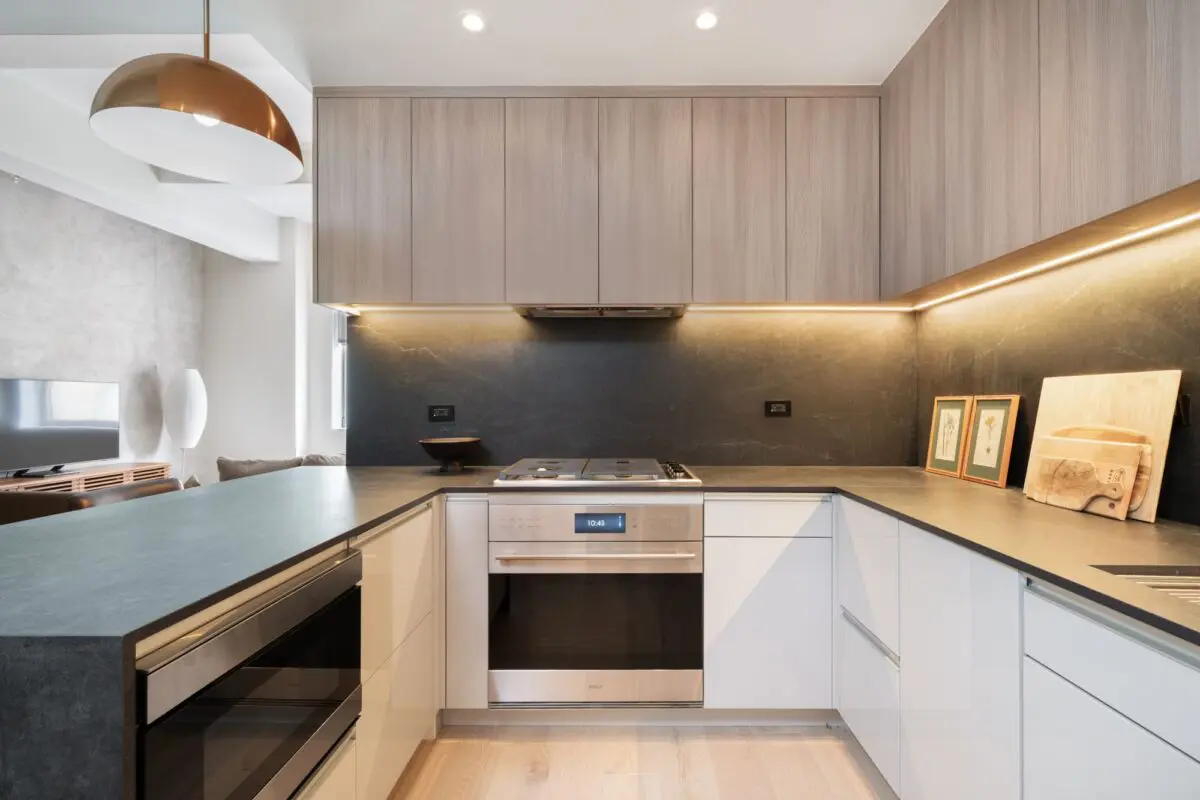
Many homeowners choose a gut renovation when the existing layout no longer supports the way they live. In older NYC apartments, kitchens may feel closed off, bathrooms undersized, and storage limited. A full gut allows the space to be redesigned from the ground up, opening walls, improving flow, and creating a layout that feels intentional and functional.
Outdated infrastructure is another major reason. Aging plumbing, insufficient electrical capacity, and hidden deterioration behind the walls are common in prewar and older buildings. Rather than layering new finishes over old systems, a gut renovation allows everything to be inspected, updated, and rebuilt to modern standards.
For long-term homeowners, this approach offers more than aesthetic improvement. It creates reliability, efficiency, and peace of mind, ensuring the apartment functions as well as it looks for years to come.
What Is a Partial Renovation
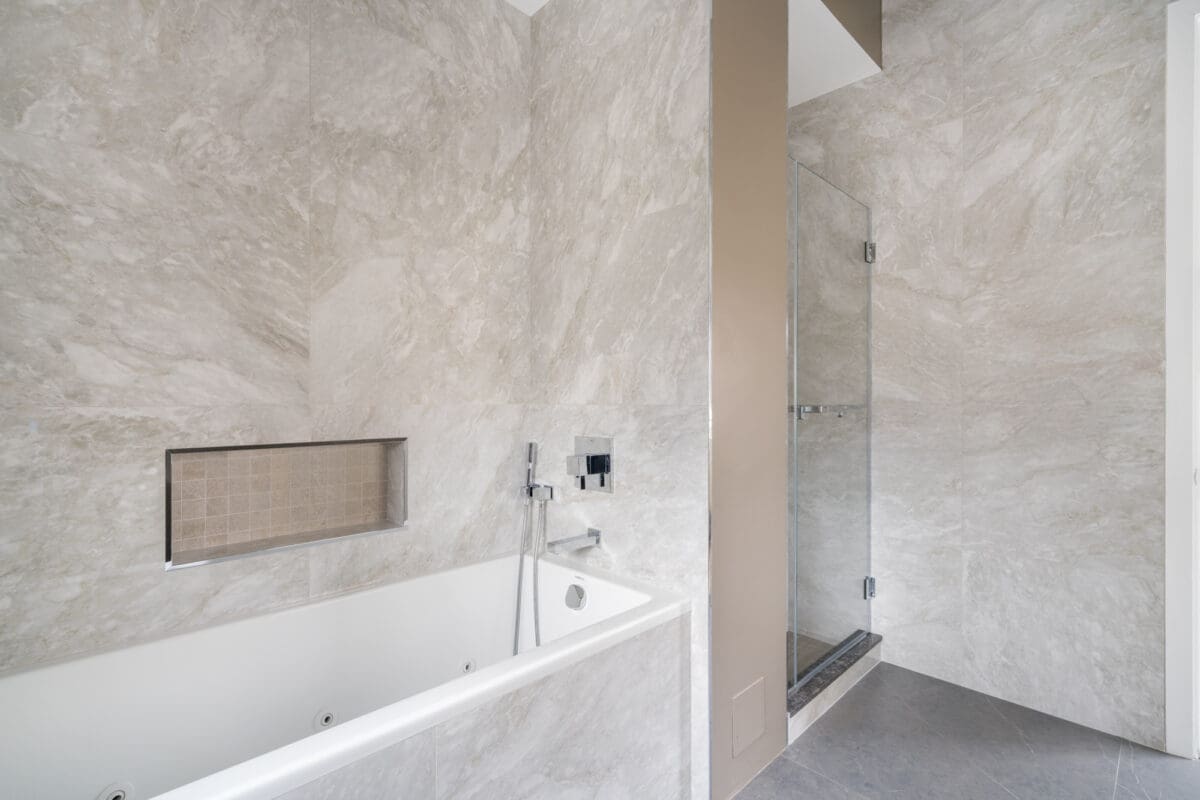
A partial apartment renovation updates specific areas of an apartment while keeping most structural and mechanical systems intact. Walls typically remain closed, and existing plumbing and electrical systems are reused if they are in good condition. Instead of rebuilding the entire space, the focus is on improving function and appearance within the existing layout.
This approach works well when the layout already functions properly, and the infrastructure is relatively modern. It allows for meaningful upgrades with less disruption, which is often important in NYC co-ops and condos.
What Is a Cosmetic Renovation
A cosmetic renovation focuses solely on surface-level improvements. It does not involve opening walls or modifying plumbing or electrical systems.
Common updates include painting, refinishing floors, replacing hardware, updating light fixtures, and refreshing finishes. While visually impactful, the underlying systems remain unchanged.
What Is a Structural Renovation
A structural renovation involves modifying the physical framework of the apartment. This may include removing load-bearing walls, combining units, installing beams, or altering ceiling heights.
In New York City, structural work requires engineering plans and formal filings, making it more complex than cosmetic or partial renovations.
Design Freedom Comparison
| Renovation Type | Layout Flexibility | System Replacement | Structural Changes |
|---|---|---|---|
| Cosmetic | None | No | No |
| Partial | Limited | Selective | Rare |
| Gut | High | Yes | Possible |
| Structural | High | Often | Yes |
If your vision includes major reconfiguration, a gut renovation is often necessary.
How to Decide What You Need
Ask yourself:
• Does the current layout work?
• Are plumbing and electrical systems outdated?
• Are there signs of hidden damage?
• Are you planning to stay long term?
• Does your building restrict certain scopes of work?
A professional evaluation can determine whether a partial renovation will meet your goals or whether a deeper rebuild is necessary.
Final Thoughts
A renovation is not defined by how beautiful the finishes look at the end. It is defined by how deeply the home was transformed.
A cosmetic update refreshes.
A partial renovation improves.
A gut renovation rebuilds.
A structural renovation reshapes.
Choosing the right approach ensures your project aligns with your long-term goals, your building’s requirements, and the way you truly want to live in the space.
If you are considering a renovation in New York City and are unsure which path is right for your apartment, the team at NYKB can guide you through the process. From initial evaluation and design planning to filings and construction, we help homeowners move forward with clarity and confidence.
Schedule your free consultation today