
Choosing the best types of wooden floorboards is one of the most important decisions in any home renovation. In New York City apartments, especially, flooring impacts not only the design but also durability, maintenance, and even building compliance.
Understanding the different types of wooden floorboards will help you make the right choice for your space, whether you are renovating a full apartment or planning a kitchen remodeling project.
Why Wooden Floorboards Are a Smart Choice
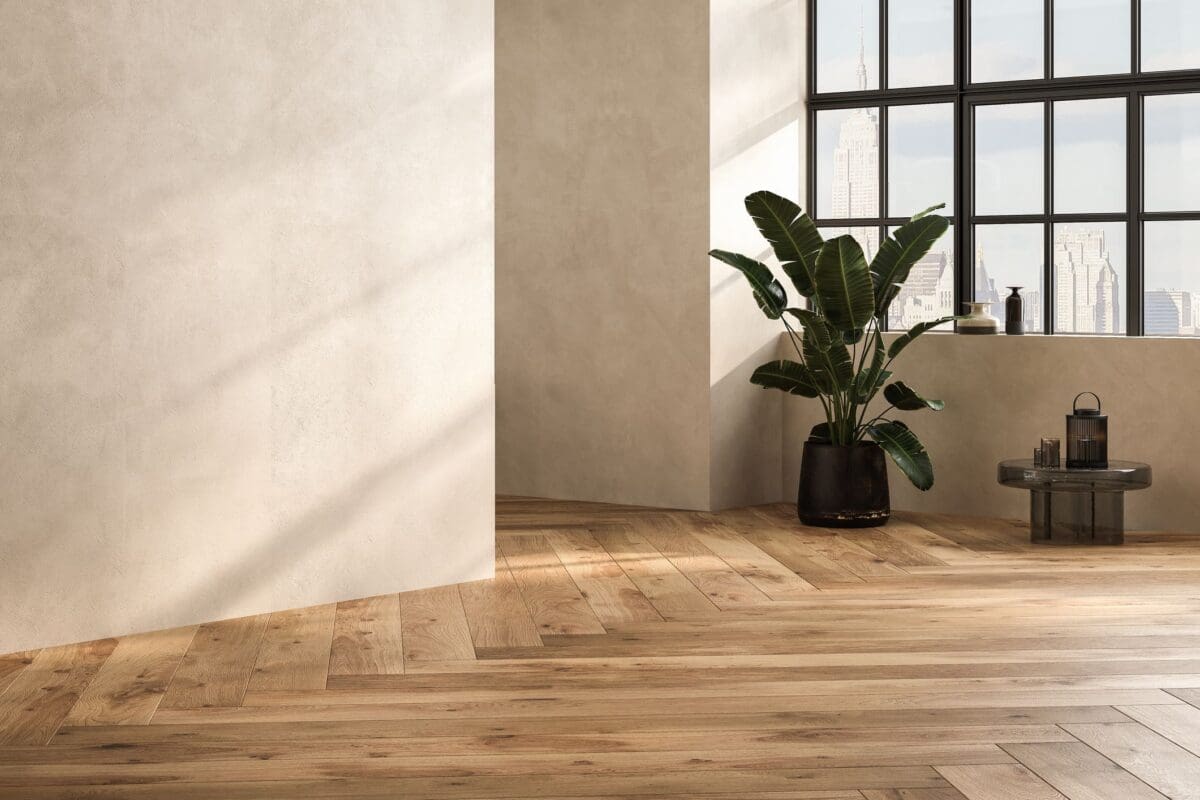
Wood flooring remains one of the most popular options in modern renovations.
It brings warmth into the space, adds long-term value, and works well with both contemporary and classic interiors. In NYC, it is also commonly preferred due to building requirements and its compatibility with soundproofing systems.
When properly selected and installed, wooden floorboards can last for decades.
Main Types of Wooden Floorboards
There are several types of wooden floorboards, each with different benefits depending on your project.
Solid Hardwood Floorboards
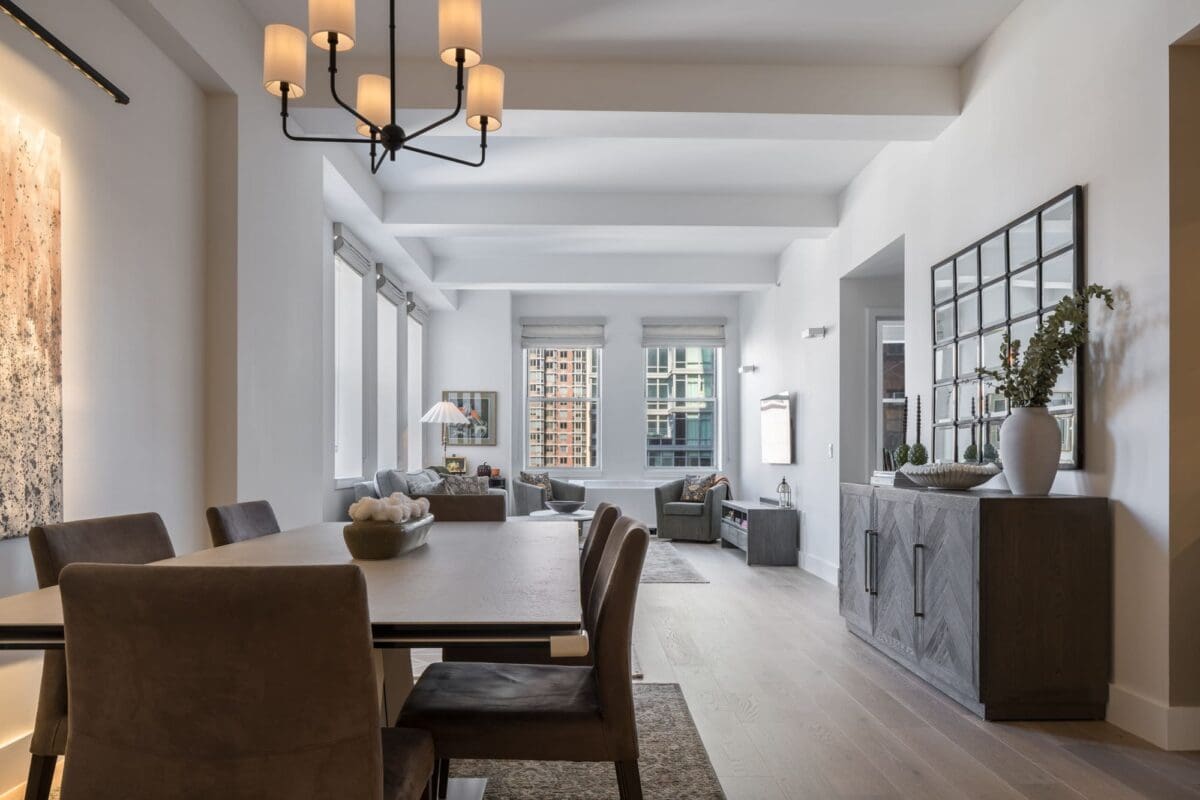
Solid hardwood is made from a single piece of natural wood such as oak, maple, or walnut.
It is known for its durability and ability to be sanded and refinished multiple times. This makes it a long-term investment, especially for living rooms and bedrooms.
However, it is sensitive to moisture and temperature changes, which makes it less ideal for kitchens or areas with high humidity.
Engineered Wood Floorboards
Engineered wood is one of the most versatile and widely used flooring options today.
It consists of a real wood surface layer on top of multiple layers of plywood, making it more stable than solid hardwood. This structure allows it to handle moisture and temperature fluctuations better.
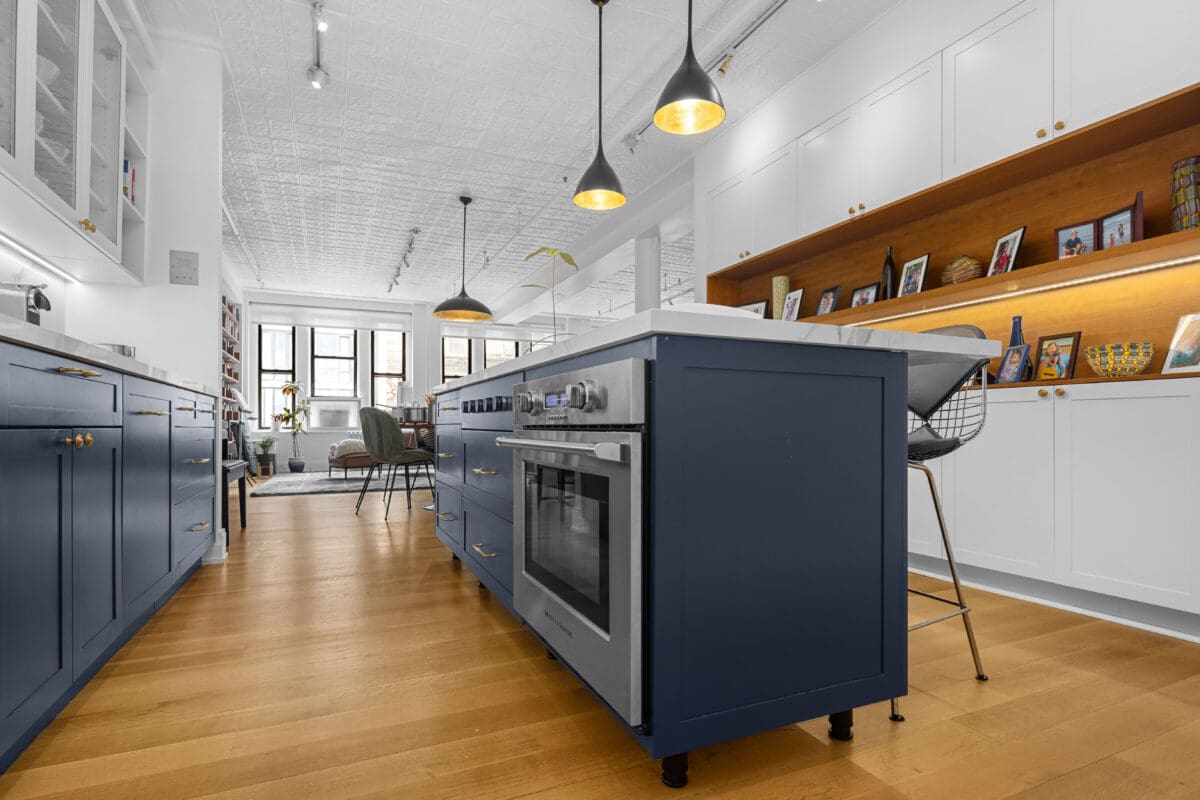
For this reason, engineered wood is often the preferred choice in NYC renovations, especially for kitchen remodeling projects.
Reclaimed Wood Floorboards
Reclaimed wood flooring is made from salvaged materials, giving it a unique and aged appearance.
Each plank has its own character, which makes it a popular choice for high-end or custom-designed interiors. It is also an environmentally friendly option.
Because of sourcing and preparation, it is typically more expensive and requires experienced installation.
Parquet Flooring
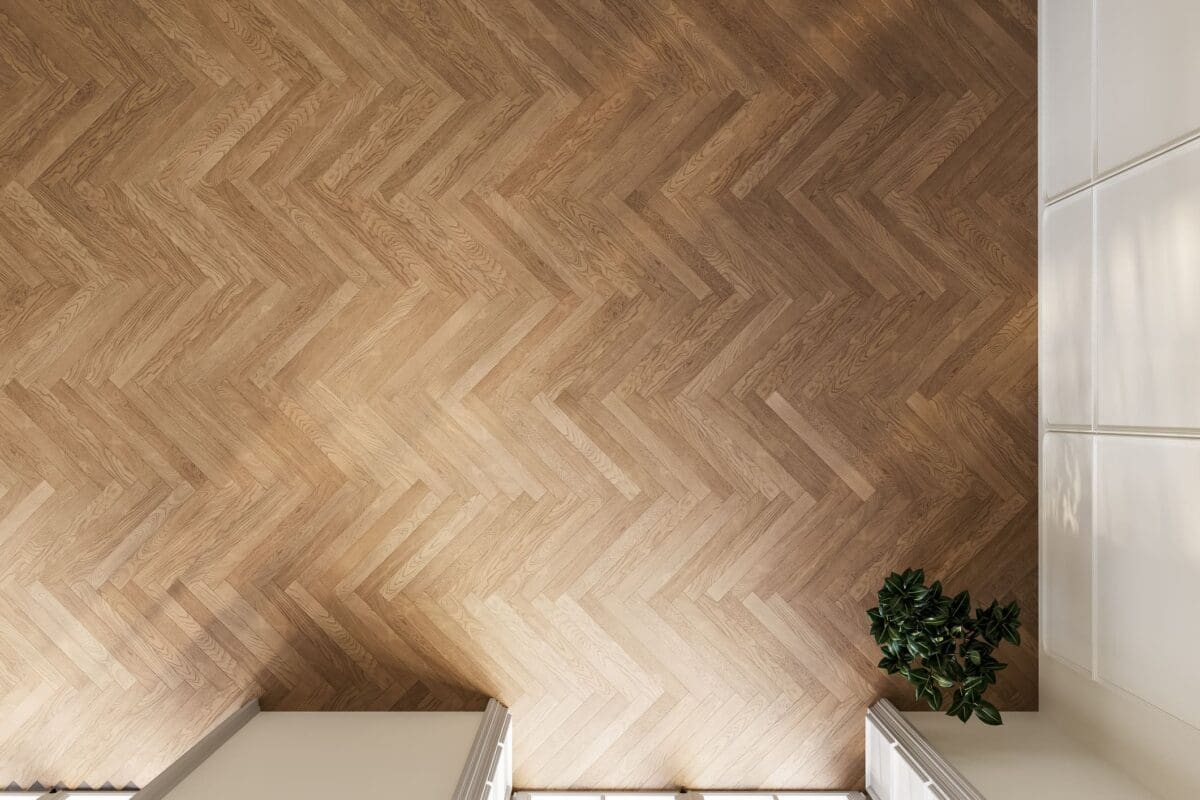
Parquet flooring uses wood pieces arranged in patterns such as herringbone or chevron.
It adds a strong design element and is often used in luxury apartments or statement areas. In modern renovations, parquet is frequently combined with engineered wood for better performance.
It requires precise installation and is generally more labor-intensive.
Wide Plank Floorboards
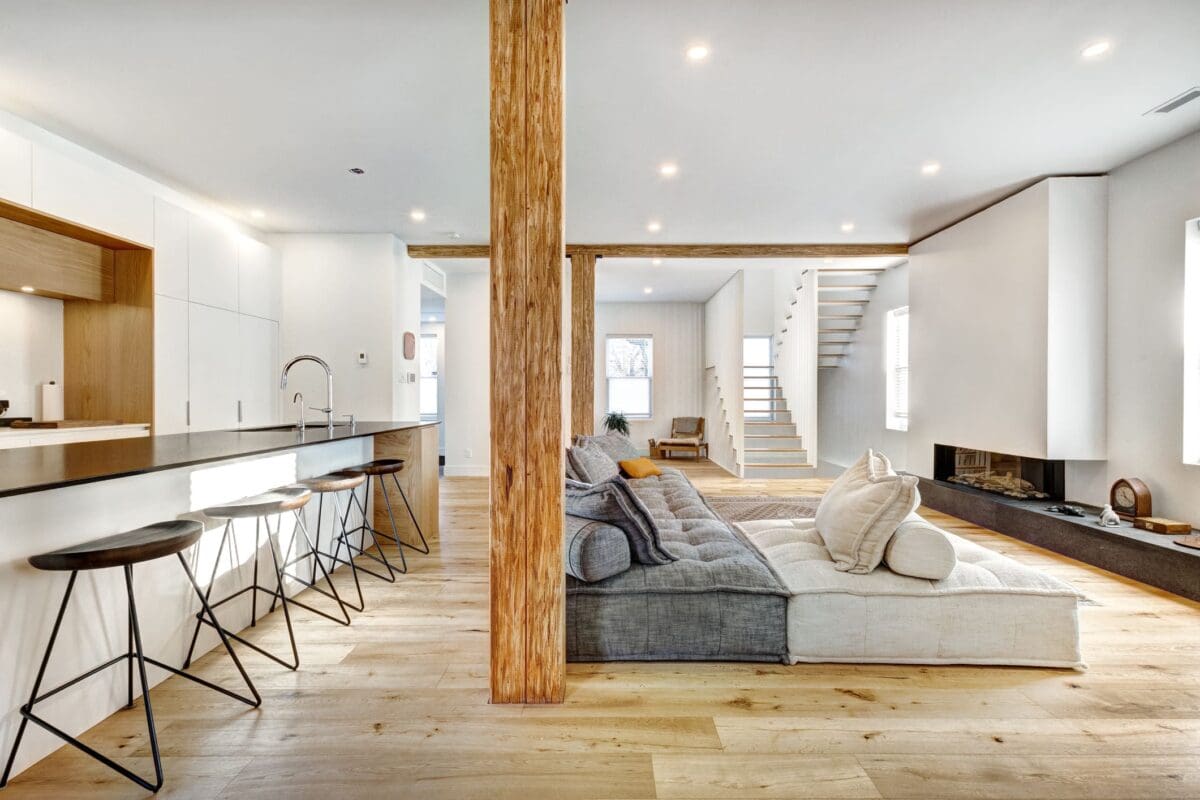
Wide plank flooring uses wider boards to create a more open and seamless look.
This style is especially popular in open concept layouts where the kitchen and living areas are connected. It helps make spaces feel larger and more cohesive.
Wide planks require careful installation to ensure stability, particularly in NYC apartments.
Choosing the best types of Wooden floorboards for Your Kitchen
Kitchen remodeling requires special consideration when selecting flooring.
The kitchen is a high-traffic area exposed to moisture, spills, and daily use. Because of this, not all types of wooden floorboards perform equally well.
Engineered wood is typically the best option for kitchens due to its stability and resistance to humidity. It allows you to maintain the look of natural wood while improving durability.
Solid hardwood can be used in some cases, but it requires careful planning and maintenance to avoid long-term issues.
Design Considerations
The flooring you choose should work together with the rest of your renovation.
Light wood tones create a clean and modern look, while darker tones add depth and a more traditional feel. Matte finishes are often preferred in NYC renovations for a more natural and understated appearance.
Patterns such as herringbone can elevate the design and create a focal point, especially in kitchens and entry areas.
NYC Renovation Considerations
Renovating in New York City comes with unique requirements.
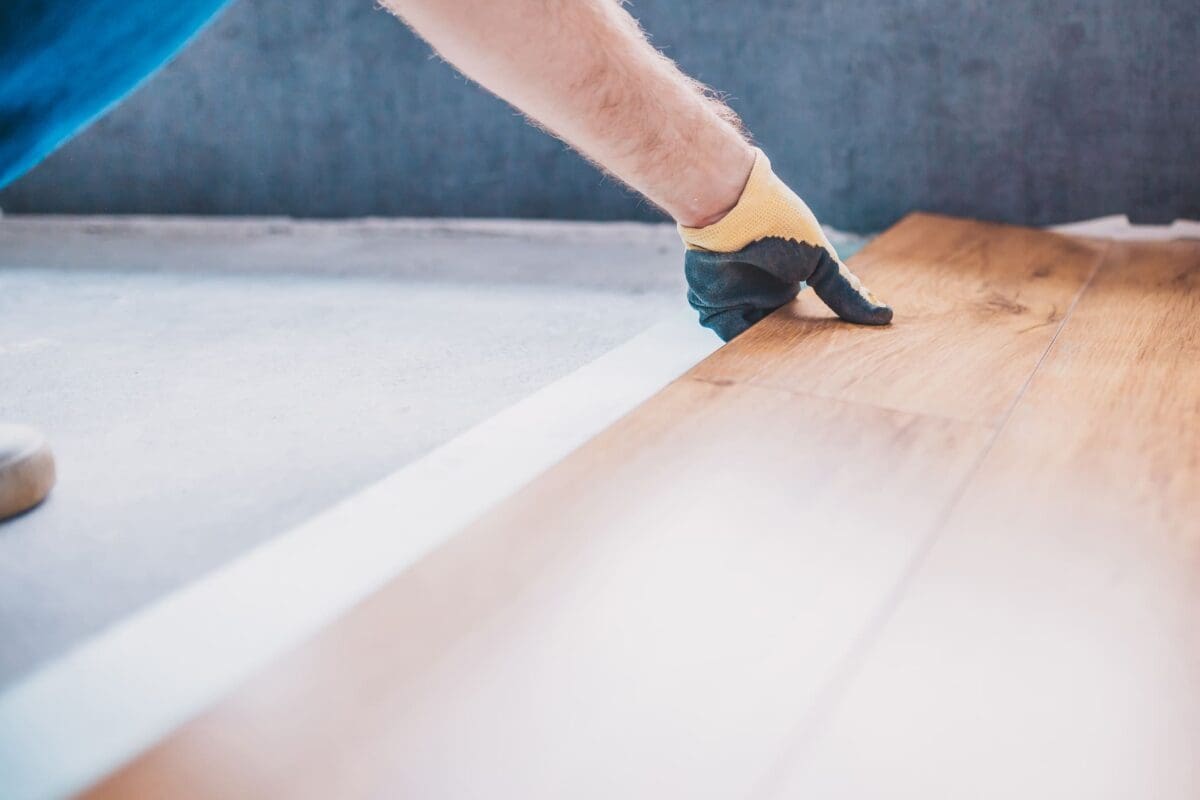
Many buildings require soundproof underlayment, and material selections may need board approval. Older apartments may also have uneven subfloors or existing conditions that need to be addressed before installation.
Moisture levels and seasonal changes can affect wood flooring, so proper acclimation and professional installation are essential.
Final Thoughts
Choosing between the different types of wooden floorboards is not just about aesthetics. It is about selecting a material that fits your lifestyle, your space, and the demands of your renovation.
For most NYC projects, engineered wood offers the best balance of durability, design, and practicality, especially in kitchens. Solid hardwood remains a strong option for dry areas, while parquet and wide plank flooring can enhance the overall design.
A well-planned flooring selection ties the entire home together and plays a key role in creating a cohesive and elevated result.
Ready to choose the right flooring for your renovation?
Schedule a free design consultation and explore options tailored to your space, lifestyle, and building requirements.