
Kitchen subfloors are one of those parts of a renovation that homeowners rarely think about, but they play a huge role in how your kitchen renovation turns out. Before choosing new flooring or finalizing your design, it helps to understand what your kitchen subfloors actually do and when they need replacement.
Kitchen floors in NYC deal with a lot. Old buildings settle. Prewar floors drift over time. Sometimes, past renovations were done unevenly. Water damage may have happened years before you moved in. All of these things show up once the old flooring comes out.
This is why you cannot choose the right kitchen flooring without understanding the condition of the subfloor. Tile needs a stable base. Engineered wood needs proper leveling. Vinyl plank looks its best when the surface underneath is smooth. Even the sound control requirements in many co-ops depend on the subfloor preparation.
A strong renovation always starts from the bottom up, long before the new materials arrive.
What Usually Happens During Kitchen Subfloor Prep
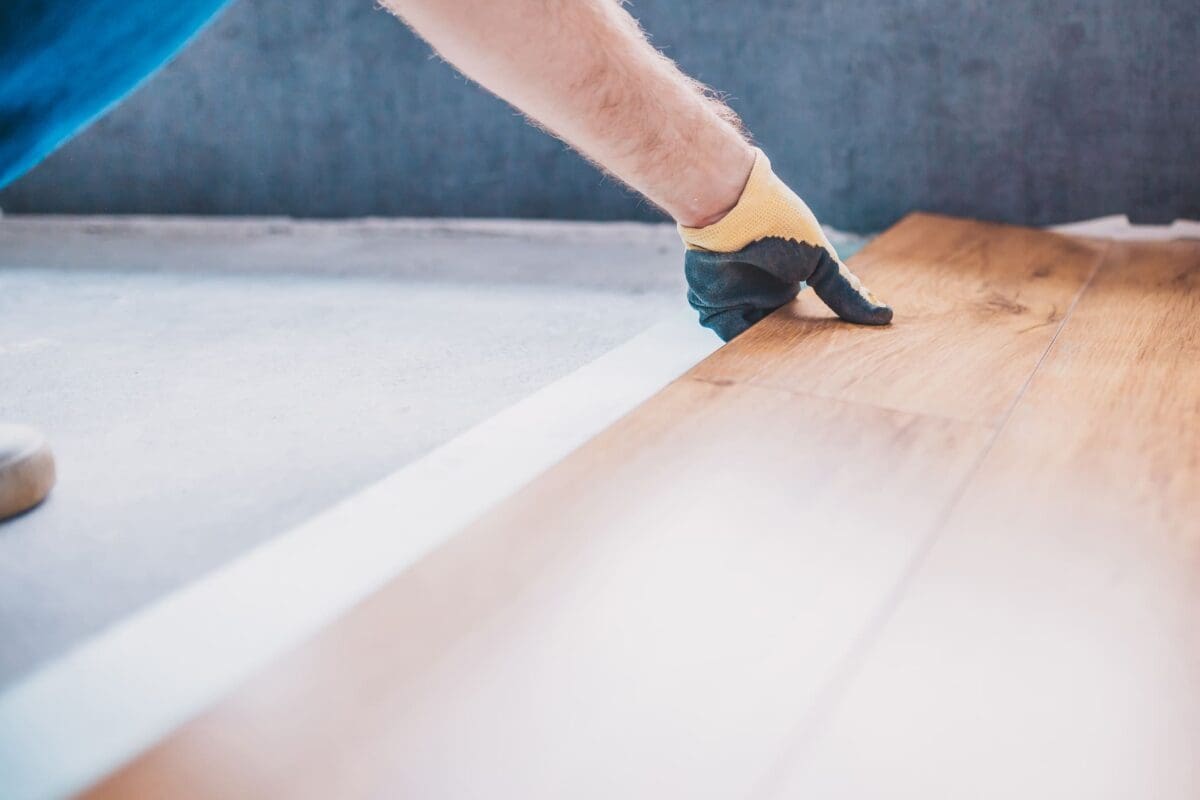
Once demolition is done and the old flooring is removed, the real picture becomes clear. Sometimes the subfloor only needs a little smoothing. Other times, it needs patching, reinforcement, or complete leveling. This is normal in New York. It does not mean something is wrong with your home, only that older buildings have layers of history hidden beneath the surface.
If the structure below is uneven, the team adjusts it so your new kitchen flooring lies flat and feels sturdy underfoot. If the building requires sound insulation, an acoustic underlayment is added before installation. If moisture is detected, the area is sealed and protected so the new flooring does not shift or warp later.
Good subfloor work is something you might never notice, but you will feel its effect every single day.
Learn more about Gut Renovation vs Other Types of Renovations in NYC in our blog.

How Your Kitchen Subfloors Influence the Flooring Material You Choose
A lot of homeowners come in thinking they already know exactly what flooring they want, and sometimes that is true. But in NYC, the subfloor can guide the best choice.
For example, porcelain tile is strong and reliable, but it needs a very stable base. If the subfloor is uneven, the prep becomes especially important. Luxury vinyl plank handles uneven conditions better, but it still needs smoothing to avoid visible imperfections. Engineered wood works beautifully when the surface below is level and moisture-free.
This is why we encourage people to learn a little about their subfloor before choosing materials. It makes the process smoother and helps you pick flooring that will actually last.
If you want to compare materials, you can explore our full Kitchen Flooring Guide, which explains tile, wood, vinyl, stone, and more in detail.
Kitchen Subfloors and NYC Buildings
Every building type handles flooring differently. Co-ops often require acoustic layers. Condos sometimes require specific installation methods. Prewar buildings have charm, but they also have floors that shift over decades. Townhouses have a different construction altogether.
This is why an in-home visit is helpful. Seeing the actual condition of the kitchen subfloor allows us to plan the renovation more accurately and guide you toward the right flooring for your home.
If you want to explore ideas for your full remodel, you can also look at our Kitchen Remodeling page for inspiration and examples.
A Quick Word on Moisture
Moisture is one of the biggest enemies of kitchen subflooring. Even a small amount trapped under the surface can cause long-term issues. Part of preparing the subfloor is checking for moisture and addressing it early. This is especially important near sinks, dishwashers, and old plumbing lines.
Good flooring installation always starts with a dry, clean, level surface.
If You Are Starting a Kitchen Renovation
You do not need to know every detail about kitchen subfloors, but understanding the basics helps you make better choices and avoid surprises later. A smooth, level, properly prepared subfloor gives your new kitchen flooring the foundation it needs to stay beautiful and stable for many years.
If you want to talk through your project or schedule a visit, you can reach us anytime through our contact page.
We are always happy to help you explore your options and understand what will work best for your space.