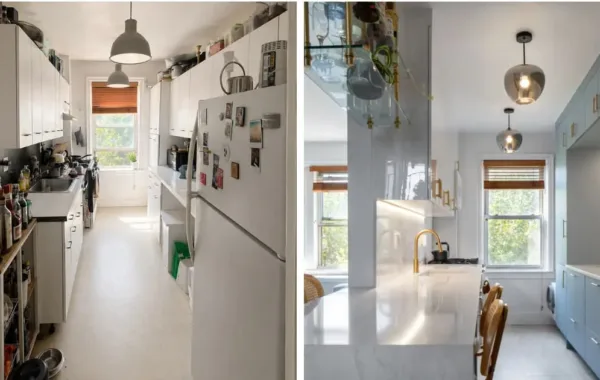




When it comes to creating a healthier home, many people start with their food—but what about the tools you use to cook it? Choosing non-toxic kitchenware is just as important as choosing organic vegetables or filtered water. Your pots, pans, utensils, and storage containers can directly affect your health through long-term exposure to harmful materials.
In this guide, we break down what “non-toxic” really means, which materials to avoid, and what to look for when you are remodeling your kitchen
Why Does Non-Toxic Kitchenware Matter?
Many conventional kitchen tools and cookware contain materials that can leach harmful chemicals into your food—especially when exposed to high heat, acidic ingredients, or repeated use. Living at Home During Your NYC Renovation
These toxins include:
-
PFOA/PTFE (Teflon) – Often found in non-stick cookware, they can release toxic fumes when overheated.
-
BPA – A chemical found in many plastics that can interfere with hormones and is linked to reproductive and developmental issues.
-
Lead and Cadmium – Sometimes found in glazed ceramic dishware and older cookware, especially imported items.
-
Aluminum – A reactive metal that can leach into food, especially with acidic ingredients like tomatoes or vinegar.
Long-term exposure to these chemicals can contribute to health issues ranging from hormone disruption to chronic disease.
Safer Materials to Choose
When choosing kitchenware, opt for these non-toxic, food-safe materials:
1. Stainless Steel
-
Great for pots, pans, mixing bowls, and utensils
-
Durable, non-reactive, and widely available
-
Look for high-quality 18/8 or 18/10 grade steel
2. Cast Iron
-
Naturally non-stick when seasoned properly
-
Adds a small amount of iron to your food (a bonus for many)
-
Extremely durable and can last for generations
3. Ceramic (Lead-Free)
-
Ideal for non-stick cookware and bakeware
-
Look for certified lead- and cadmium-free options
-
Brands like Xtrema and Caraway are popular for safe ceramic choices
4. Glass
-
Best for food storage and baking
-
Non-reactive, doesn’t leach chemicals
-
Great alternative to plastic containers
5. Bamboo & Wood
-
Perfect for utensils, cutting boards, and serving tools
-
Naturally antibacterial and biodegradable
-
Avoid varnishes and opt for natural oil finishes
6. Silicone (Food Grade)
-
A flexible, non-toxic alternative for baking molds and spatulas
-
Choose high-quality, BPA-free, platinum-grade silicone
Smart Swaps for a Healthier Kitchen
| Instead of… | Try This… |
|---|---|
| Teflon-coated frying pan | Cast iron or ceramic pan |
| Plastic spatulas | Bamboo or stainless steel utensils |
| Plastic food storage | Glass containers with silicone lids |
| Aluminum bakeware | Glass or uncoated stainless steel |
| Cheap ceramic mugs | Lead-free certified ceramic or glass |
Tips for Shopping Non-Toxic
-
Read the labels carefully. Look for certifications like FDA-approved, LFGB, or lead-free.
-
Check the brand’s transparency. Trustworthy companies will list all materials clearly.
-
Avoid suspiciously cheap items. Quality non-toxic materials cost more to produce.
-
Stick to reputable brands. A few popular options include:
-
Caraway (ceramic cookware)
-
Xtrema (pure ceramic)
-
Made In (stainless steel)
-
Our Place (multi-functional non-toxic cookware)
-
Pyrex (glass storage and bakeware)
-
Final Thoughts
Upgrading to non-toxic kitchenware isn’t just a design choice—it’s a long-term investment in your health and well-being. Whether you’re renovating your kitchen or simply replacing worn-out tools, choosing safe, durable, and sustainable materials helps protect your family and the planet.
Want help selecting the right products for your lifestyle? Our team offers free kitchen consultations to help you create a safe, stylish, and smart cooking space.
Thinking about upgrading your kitchen with healthier, safer materials? Schedule a free design consultation with NYKB and let our experts help you create a space that’s as functional as it is toxin-free